






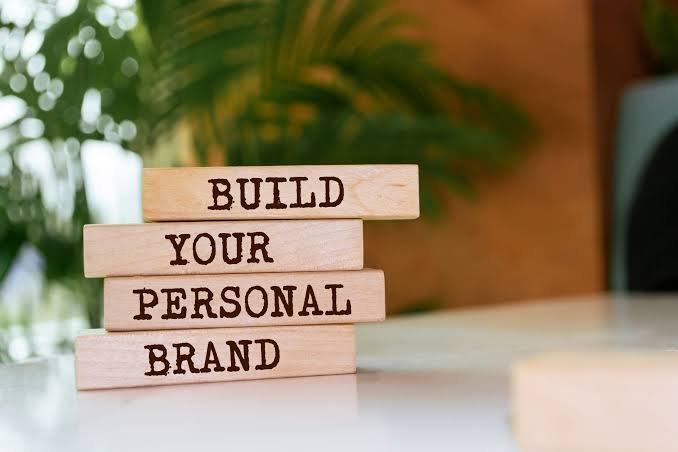
A personal brand is not a logo.
It is not a slogan.
It is not a billboard.
A personal brand is what people expect before they meet you. It is built one decision at a time. Every conversation, every project, and every promise either strengthens it or weakens it.
Few professions prove this more clearly than trial law. Clients trust lawyers with life-changing problems. Reputation matters before the first meeting ever takes place.
That idea was front and center during Episode 18 of Swimming With The Sharks, where Tony Buzbee sat down with legendary Texas trial lawyer Jim Adler, better known as “The Texas Hammer.” Their conversation explored law firm growth, legal advertising, courtroom experience, and what it really takes to build one of the most recognizable professional brands in America.
Their discussion offers lessons that reach far beyond the legal profession.
A Brand Is Built Before People Notice It
Many people think a personal brand begins when someone becomes well known.
The opposite is usually true.
Recognition comes after years of consistent work.
Jim Adler spoke about the long process of building “The Texas Hammer.” Television commercials and billboards made the brand famous, but they came after years of practicing law and refining a clear identity.
During the conversation, Buzbee pointed to a simple reality.
“People see the billboard,” he said. “They don’t see the decades behind it.”
That observation applies to almost every profession.
Customers notice the final product.
They rarely see the years spent developing it.
Consistency Creates Recognition
People trust consistency.
Research from Edelman’s Trust Barometer continues to show that trust remains one of the strongest factors influencing purchasing decisions and business relationships.
Consistency builds that trust.
If your work changes dramatically from one project to the next, people hesitate.
If your standards stay high over time, confidence grows.
Every Interaction Counts
Strong brands are not built during major events alone.
They grow through small moments.
Returning calls.
Meeting deadlines.
Keeping promises.
One story from the podcast focused on the early years of legal advertising.
Adler explained that many people remembered the commercials because they reflected the same straightforward personality clients experienced in person.
The message stayed consistent.
The experience matched the expectation.
That alignment strengthened the brand.
Visibility Is Not the Same as Credibility
Many professionals chase attention.
Attention helps.
Credibility lasts longer.
A famous name creates curiosity.
Reliable performance creates loyalty.
According to PwC, 93% of business executives believe trust improves business performance. That trust develops through repeated experiences rather than isolated success.
The strongest personal brands grow because people recommend them.
Not because people simply recognize them.
Reputation Travels Faster Than Advertising
People talk.
Clients share experiences.
Employees remember leadership.
Partners compare notes.
Every interaction becomes part of your reputation.
One experienced attorney recalled losing a case early in his career.
“I thought people would remember the loss,” he said. “Instead, they remembered how we handled ourselves afterward.”
Character often becomes part of the brand.
Pressure Reveals What a Brand Really Means
Pressure changes behavior.
Strong brands survive because their values remain consistent.
Weak brands often collapse under scrutiny.
High-stakes litigation provides countless examples.
Trials move quickly.
Unexpected evidence appears.
Witnesses change testimony.
Lawyers cannot invent credibility during those moments.
They either have it or they do not.
Tony Buzbee has often emphasized that preparation creates confidence long before trial begins.
That lesson extends beyond courtrooms.
Preparation strengthens reputation because people notice who remains steady when conditions become difficult.
Build Systems Instead of Chasing Attention
Many successful brands rely on repeatable systems.
They do not depend on one talented person having one great day.
Systems create consistency.
Businesses understand this well.
Technology companies build quality control.
Manufacturers use production standards.
Restaurants create recipes.
Professional services need systems too.
Document processes.
Clear communication.
Reliable follow-up.
Consistent quality.
Systems make strong brands repeatable.
Make Decisions That Match Your Values
Every decision either supports your reputation or weakens it.
Ask simple questions.
Does this match what we promise?
Would I be comfortable explaining this decision publicly?
Would my team make the same choice?
Small decisions shape public perception over time.
Learn From Mistakes Without Changing Your Identity
Nobody builds a perfect career.
Setbacks happen.
Cases are lost.
Projects fail.
Markets change.
The difference is how people respond.
During Episode 18 of Swimming With The Sharks, Adler and Buzbee discussed courtroom wins and losses alongside business growth.
That balance matters.
Successful professionals study mistakes.
They improve systems.
They avoid repeating the same errors.
They do not abandon the principles that built their reputation.
Growth comes from refinement.
Not constant reinvention.
Five Lessons Every Professional Can Use
Building a personal brand does not require national advertising.
It requires consistency.
Keep Your Message Clear
People remember simple ideas.
Confusing messages create weak brands.
Deliver the Same Standard Every Time
Consistency builds trust faster than occasional excellence.
Protect Your Reputation Daily
Every conversation matters.
Every commitment matters.
Every decision contributes.
Prepare Before Opportunities Arrive
Preparation creates confidence.
Confidence improves performance.
Think Long Term
The strongest brands grow over years.
Patience often beats speed.
A Strong Brand Is Built One Decision at a Time
Personal branding has become a popular business topic.
Many people focus on visibility first.
The conversation between two experienced Texas trial lawyers suggests another approach.
Build credibility.
Earn trust.
Stay consistent.
Visibility often follows.
The strongest professional brands are rarely created through one marketing campaign or one successful project.
They grow because people repeatedly experience the same qualities.
Preparation.
Accountability.
Reliability.
Those traits outlast trends.
They create reputations that continue working long after the meeting ends, the project finishes, or the courtroom empties.
That is the real business of building a personal brand. It starts with daily decisions, grows through consistent action, and becomes something people remember for years.