






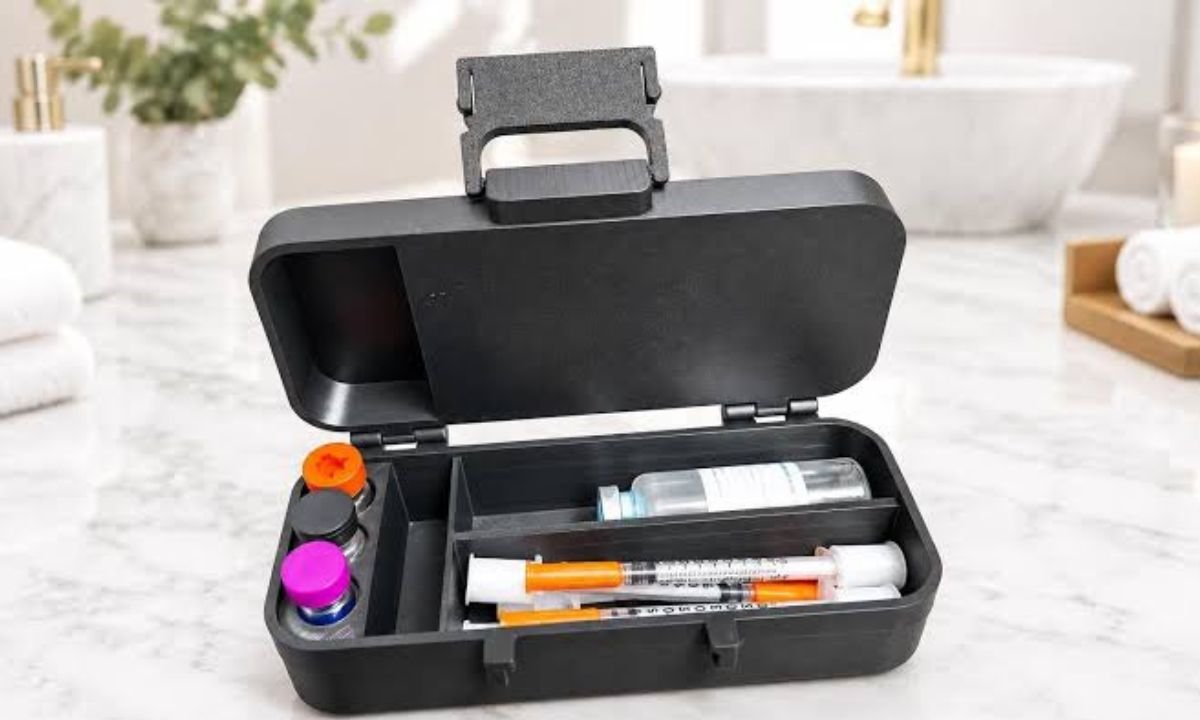
A mislabeled vial can call more than one sample into question. It may mean revisiting the preparation, the buffer and the downstream results that relied on the label being correct. In peptide research, keeping supplies organised is part of being able to explain what was used and how it was handled. A tidy rack is useful, but the real test is whether another researcher can connect each vial to its preparation record without guessing.
Reproducibility starts with details that are easy to overlook during a busy day. A powder left in uncertain conditions, a tube that was not fully sealed or a label that says “Batch 3” without identifying the project all leave questions for whoever uses the material next. None of those observations proves that a sample has failed. They do mean that someone needs to establish what happened before treating the record as complete. A consistent handling and documentation routine makes those questions easier to answer, without assuming every peptide behaves the same way.
Where the peptide lifecycle actually breaks down
A peptide workflow may move from dried powder through reconstitution and aliquoting to storage. Map the stages your own protocol uses and identify who owns each handover. The aim is to make the handling history visible, not to blame every unexpected result on habits at the bench.
For lyophilized material, check the supplier’s handling information and your laboratory’s protocol before deciding how to manage exposure during bench work. Do not assume that all powders respond identically to moisture, light or temperature. Record any handling departure that may need review rather than declaring the sample damaged on sight. If a vial has been left out, the useful questions are what material it contains, what conditions it experienced and who is qualified to decide whether it remains suitable.
At reconstitution, keep the sample identity and preparation record together. Record the materials and quantities required by your protocol, and make it clear which buffer belongs to which preparation. An open container, an uncertain label or shared equipment can create questions that are difficult to reconstruct later. Follow the laboratory’s procedures for preventing contamination and handling equipment between samples. Do not dismiss a suspected mix-up as too small to matter, but do not invent a result either: record the observation and have it assessed before the material goes into further work.
For aliquoting and storage, follow a plan appropriate to the particular material and intended use. Where the protocol calls for separate portions, label them so each one remains traceable to the stock. Record withdrawals and any relevant temperature excursions or handling deviations. Check that the storage equipment suits the specified conditions rather than assuming a freezer’s label settles the question. An uncertain storage history needs review; it should not disappear from the record when someone moves the vial to a different shelf.
Building a zone-based bench layout
A practical starting point is to define bench areas by purpose. Consider where synthesis, purification, analytical work and preparation for storage take place in your workflow. Even on a small bench, a labelled rack can help distinguish material ready for the next step from material still being prepared or reviewed.
The purpose is to make mix-ups easier to spot and to keep handling consistent with the laboratory’s safety procedures. Do not infer chemical compatibility from an empty patch of bench. Use the relevant safety data sheets and approved procedures when deciding how solvents, acids, bases and samples should be handled and stored. A tidy arrangement is not proof that the materials belong together. Have the responsible laboratory staff review the layout before treating it as the standard arrangement for everyone.
Defined areas also make misplaced items easier to notice. If a buffer appears in a rack intended for completed samples, someone can question it before the next task starts. Agree what each area means and make the labels clear to visiting or newly trained staff. The system should be understandable without relying on one person to remember where everything goes.
A labeling system that actually survives contact with a busy lab
An incomplete label can become hard to interpret long after the person who wrote it has moved on to another task. “Peptide A” alone does not explain the lot, preparation date or concentration. Check whether the label and its linked record supply those details before putting the vial into storage.
Choose label fields with the laboratory’s record requirements in mind. Sample ID, lot number, preparation date and concentration are useful details to consider where applicable. If the vial is too small to carry everything, make sure its identifier points unambiguously to the full record. The important test is whether someone else can retrieve the correct information without guessing between similar preparations.
When visually organizing labels for quick sorting and tracking, you could color-code the labels. A quick, high-level inventory check can show which labels correspond to a given project, peptide, or storage phase (e.g., powder, reconstituted, or aliquoted). This may be just enough to make decisions regarding what to pull out before you need to read the labels.
For larger inventories, a barcode can help connect a vial to its entry in a Laboratory Information Management System. Test the connection with an actual sample record rather than assuming a printed code is enough. When choosing Peptide Supplies, include labelling and record compatibility in the checks you make for the intended workflow. Analytical results and handling records should be retrievable together, without implying that a supplier provides those results or manages the records for you.
Storage protocols that match the material’s actual state
Choose storage arrangements for the material as it exists now, not merely for the name on the original order. A dried sample and a prepared solution may have different instructions. Keep the relevant requirements with the record so the next person does not have to infer them.
For dried peptides, use the specified temperature, moisture and light conditions rather than adopting one freezer setting for the whole inventory. Record where the instructions came from and ask for clarification if they conflict with the planned workflow. Avoid assigning a storage life that the available material information does not support.
For prepared solutions, confirm the storage and aliquoting procedure before making the batch. Match portion sizes and handling to the documented plan, and record the preparation details needed to interpret later results. Do not assume that a colder freezer or an immediate split into smaller vials is automatically appropriate for every preparation.
Review solvent storage separately against the applicable safety data sheets and laboratory procedures. Ask the responsible staff to confirm suitable equipment and segregation. Neither a general article nor a neatly organised shared shelf establishes that a proposed storage arrangement is appropriate for the chemicals involved.
Inventory control that catches problems before they become results
A logbook, physical or digital, should make each lot easy to locate and identify. Record its arrival, storage location and any supported expiry or review date. Where first-expired-first-out rotation fits the protocol, use it to guide selection, but still check the condition and handling record before using the stock. Rotation is not a substitute for that review.
Apply the same discipline to consumables. Check the specifications for the tubes, gloves, containers and vials used in the procedure, and record the product details that matter to the work. A change of supplier is a reason to compare suitability, not proof that the new product will cause a problem. Equally, buying from one supplier does not remove variability or guarantee compatibility. Make the acceptance checks part of the purchasing and preparation routine so staff know what to review when a familiar item is replaced.
FEFO rotation only works if the logbook is actually maintained, though. A logbook that’s updated sporadically is barely better than no logbook at all, because gaps in the record create the same traceability problem that disorganized shelves do.
Tying physical organization to documentation discipline
All this tagging and zoning is meaningless unless you have the paperwork to back it up. Each physical tag must be linked to a logbook or LIMS entry itemizing the prep date, HPLC/mass spec purities, and all storage-handling details.
The documentation should allow another person to follow the sample from arrival through preparation, use and eventual disposal. If a label and log entry disagree, investigate rather than choosing whichever version looks more plausible. If the work falls under a formal quality framework, have the responsible quality staff confirm the applicable record requirements. A traceable record supports review, but a tidy logbook alone is not evidence of compliance with every part of that framework.
Lot tracking also gives you a way to investigate a result without searching the entire inventory at once. Keep each preparation linked to the lot used, including when material from another lot is introduced. That does not prove a lot caused an unexpected result. It helps you identify which records and preparations need comparison before deciding what to repeat or review.
The weekly reset that keeps small problems from becoming big ones
Make review a recurring task rather than a one-off clear-out. A short weekly check is a useful starting proposal: look for incomplete labels, misplaced vials and records awaiting follow-up. Agree who handles anything unresolved and keep the observation visible until it has been assessed. The review should fit the actual workflow rather than end simply because a timer has run out.
Clear records save the next researcher from having to reconstruct your work from memory. Before closing the review, try following one sample from its physical location to its preparation and handling details. If that trail is unclear, fix the gap while the people involved can still explain it. That is a more useful measure of organisation than how tidy the bench looks.