






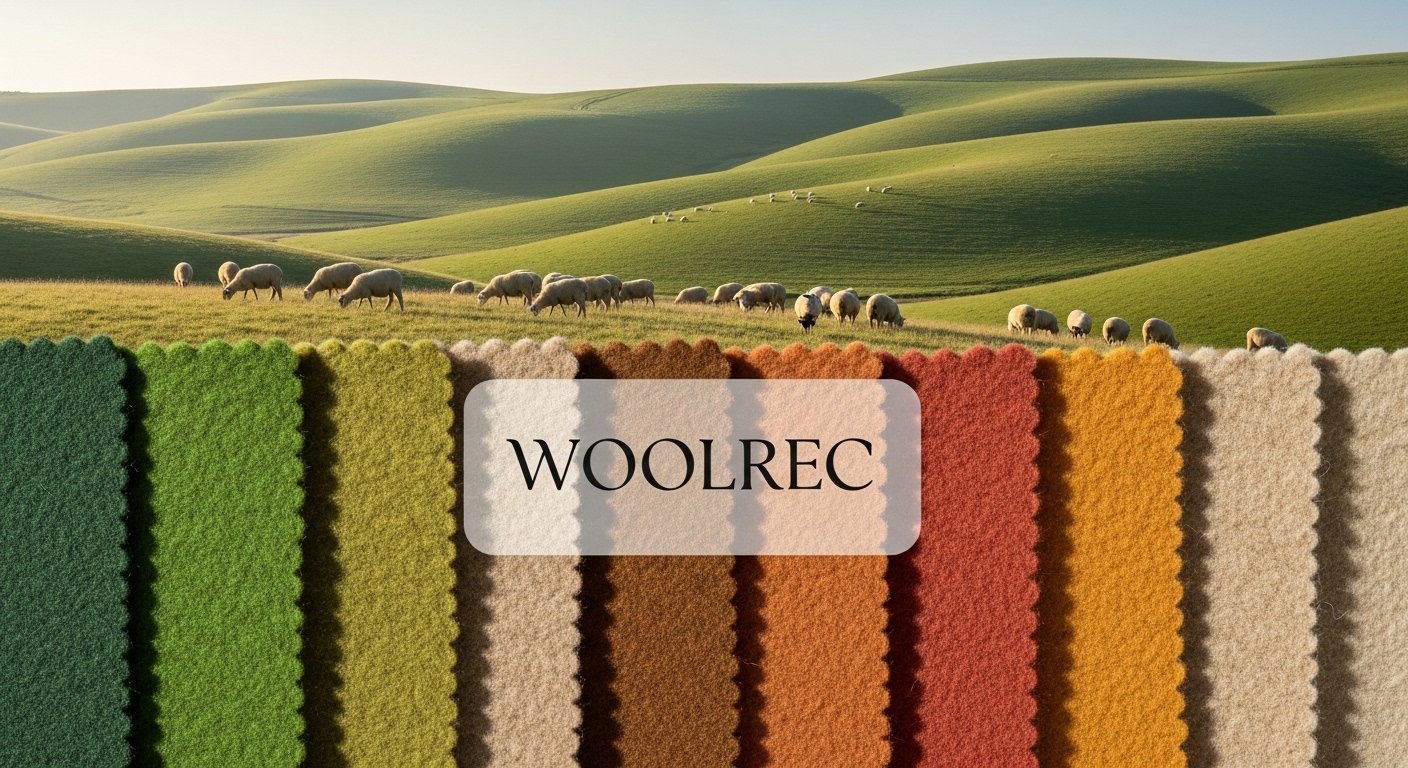
Picture this: you pull a cozy sweater over your head on a crisp morning, and instead of thinking about the sheep it came from or the factory that spun it, you smile knowing it once warmed someone else entirely. That old cardigan from your grandma or the thrift store find you almost tossed? It now lives on as fresh, high-performance fabric. This is the magic of Woolrec, a smart approach to textile upcycling that turns post-consumer wool waste into something new and better.
If you care about where your clothes come from and where they end up, Woolrec offers a practical path forward. It is not some far-off dream of circular fashion. It is happening right now, quietly reshaping how we dress and reducing the massive pile of textile waste that clogs landfills every year. As an eco-conscious shopper or designer, you have probably felt the weight of fast fashion guilt. Woolrec lets you flip the script. It proves that what we used to call trash can become the foundation for durable, beautiful garments that last.
What Exactly Is Woolrec?
Woolrec stands for a full system of wool recovery and recycling designed to keep natural fibers in the loop instead of letting them rot in dumps. At its heart, it collects discarded wool garments, production scraps, and even end-of-life textiles, then transforms them into premium yarns and fabrics. You might think of it as closed-loop manufacturing for protein-based fibers, because wool is made of keratin, the same stuff in your hair and nails. That natural structure gives it incredible strength and breathability, even after multiple lives.
Unlike synthetic options that break down into microplastics, Woolrec keeps things natural and biodegradable. It taps into ethical shearing practices from regenerative agriculture, where sheep graze in ways that actually improve soil health. The result? Fabrics that feel luxurious, wear like a dream, and leave a far lighter footprint than virgin wool ever could.
The Step-by-Step Woolrec Process: From Closet Cast-Offs to Catwalk Ready
The beauty of Woolrec lies in how straightforward and effective the process feels. Here is how it works, broken down simply so you can picture yourself dropping off an old wool coat and seeing it reborn:
- Collection: Brands, individuals, and textile hubs gather post-consumer waste like sweaters, coats, blankets, and factory offcuts. No more letting perfectly good wool sit unused.
- Inspection and Sorting: Every piece gets checked for quality. Workers sort by color, fiber type, and condition. This clever step often skips harsh dyeing later, saving water and chemicals.
- Eco-Friendly Cleaning: The wool gets washed with gentle, low-impact methods to remove dirt, oils, or residues while protecting the fiber strength.
- Mechanical Reprocessing: Machines gently shred the clean wool into fluffy fibers without harsh chemicals. These get blended if needed, then carded and spun into strong new yarn.
- Fabric Creation: The yarn weaves or knits into fresh material for clothing, accessories, or even home goods. The whole cycle stays efficient and low-energy.
It feels almost like watching nature recycle itself. One designer I spoke with called it “textile alchemy.” You start with something headed for the bin and end up with fabric that rivals anything new.
How Woolrec Reduces Textile Landfill Waste and Lowers Your Carbon Footprint
Fast fashion has trained us to buy cheap and toss fast. The numbers sting: millions of tons of clothing hit landfills annually, and wool takes years to break down naturally if it is mixed with synthetics. Woolrec directly tackles this by diverting post-consumer waste and giving it new purpose.
The environmental wins stack up fast. Producing one kilogram of Woolrec recycled wool creates roughly 0.6 kilograms of carbon dioxide equivalent. Compare that to virgin wool, which can hit 75 kilograms or more per kilogram because of sheep farming, shearing, and processing demands. You get serious carbon footprint reduction without sacrificing quality.
Plus, Woolrec supports regenerative agriculture by creating steady demand for wool that might otherwise go unused. Farmers who shear ethically see real value in their flocks, which encourages better land stewardship. It is a win for the planet, the animals, and the people who make your clothes.
Benefits of Using Woolrec in Fashion: Durability Meets Conscious Style
When you choose Woolrec fabrics, you are not just buying clothes. You are investing in pieces that last longer and feel better. Here are some standout advantages that make it a favorite among sustainable fashion enthusiasts and professional textile designers:
- Exceptional Fabric Durability: Recycled wool keeps its natural resilience, moisture-wicking, and temperature-regulating powers. Your sweater stays shape-holding wash after wash.
- Biodegradable Textiles: At the end of its life (which could be decades), it returns to the earth without toxic leftovers.
- Lower Resource Use: Far less water and energy than making new wool or most synthetics.
- Versatile Applications: From sleek jackets to soft scarves and even eco-friendly home insulation, it fits modern life perfectly.
Ethical DIYers love it too. You can source Woolrec yarns for your own knitting or upcycling projects, closing the loop in your personal wardrobe.
Woolrec vs Recycled Polyester: Why Natural Fibers Still Come Out on Top
Many people wonder how Woolrec stacks up against recycled polyester, another popular “green” option. Let us compare them side by side so you can decide with confidence.
| Aspect | Woolrec (Recycled Wool) | Recycled Polyester |
|---|---|---|
| Material Source | Post-consumer wool garments and scraps | Plastic bottles or textile waste |
| Biodegradability | Yes, breaks down naturally | No, persists for hundreds of years |
| Microplastic Shedding | None | Releases microfibers with every wash |
| Carbon Footprint | Extremely low (around 0.6 kg CO2e/kg) | Lower than virgin but still higher than wool |
| Durability & Comfort | Naturally breathable, insulating, odor-resistant | Strong but can feel less breathable |
| End-of-Life Impact | Returns to soil, supports regenerative cycles | Often downcycled or landfilled eventually |
Woolrec wins for anyone who wants true circular fashion. It feels warmer in winter, cooler in summer, and it simply performs better over time. Recycled polyester has its place for certain activewear, but when comfort and planet health matter most, protein-based fibers like Woolrec deliver.
Sourcing High-Quality Woolrec Fabrics and Supporting the Movement
Wondering where to find Woolrec in real life? More sustainable clothing brands are partnering with recyclers like this every season. Look for labels that highlight recycled wool content, especially those working with certified suppliers. Online marketplaces focused on ethical fashion often carry sweaters, jackets, and blankets made with it.
For professional designers or DIYers, direct suppliers now offer Woolrec yarns and fabrics in bulk. If you run a small brand, reaching out to wool recycling platforms can open doors to custom blends. And do not overlook home use: Woolrec makes fantastic, natural insulation for walls or attics that outperforms many synthetics while staying fully biodegradable.
The Bigger Picture: Woolrec and Regenerative Agriculture
Woolrec does not stop at recycling. It links back to the farms where wool begins. Regenerative grazing practices build healthier soil, store more carbon, and support biodiversity. By creating demand for recycled wool, we reward farmers who treat their land and animals with care. It is a full-circle story that feels good on every level.
What You Can Do Next: Three Simple Steps to Embrace Woolrec
Ready to rethink your relationship with waste? Here are three easy actions you can take today:
- Sort your closet for wool items and donate them to a Woolrec collection partner instead of tossing them.
- Shop one new piece from a brand using recycled wool this month. Feel the difference in quality.
- Share this story with friends or on social media. The more people know about textile upcycling, the faster change happens.
What is your first step? Have you already tried a garment made from repurposed wool? Drop your thoughts in the comments. Together, we can make circular fashion the new normal.
You May Also Like: How to choose the ideal t-shirt as a gift: comfort, style, and elegance
Frequently Asked Questions
What products can I make or buy using Woolrec?
You will find it in sweaters, scarves, coats, blankets, rugs, and even eco-friendly home insulation. Many sustainable clothing brands now feature it prominently.
How does Woolrec compare to buying new virgin wool?
It uses far less water, energy, and land while delivering the same softness and strength. The carbon savings alone make it a smarter choice every time.
Is Woolrec fabric as durable as traditional wool?
Absolutely. The recycling process preserves the natural fiber qualities, so it holds up beautifully through years of wear and washing.
Can individuals donate wool items for Woolrec recycling?
Yes. Check local collection points or brand programs that partner with wool recyclers. Every sweater counts toward reducing landfill waste.
Does Woolrec support ethical shearing and animal welfare?
It does. By linking back to regenerative farms, it encourages responsible practices that benefit both sheep and the environment.
How does Woolrec help with carbon footprint reduction in fashion?
Recycling skips the high-impact steps of raising and processing new wool, slashing emissions dramatically while keeping fibers in use longer.
Where can textile designers source high-quality Woolrec fabrics?
Specialty suppliers and direct partnerships with recycling initiatives offer bulk options. Reach out to sustainable fashion networks for current lists.


