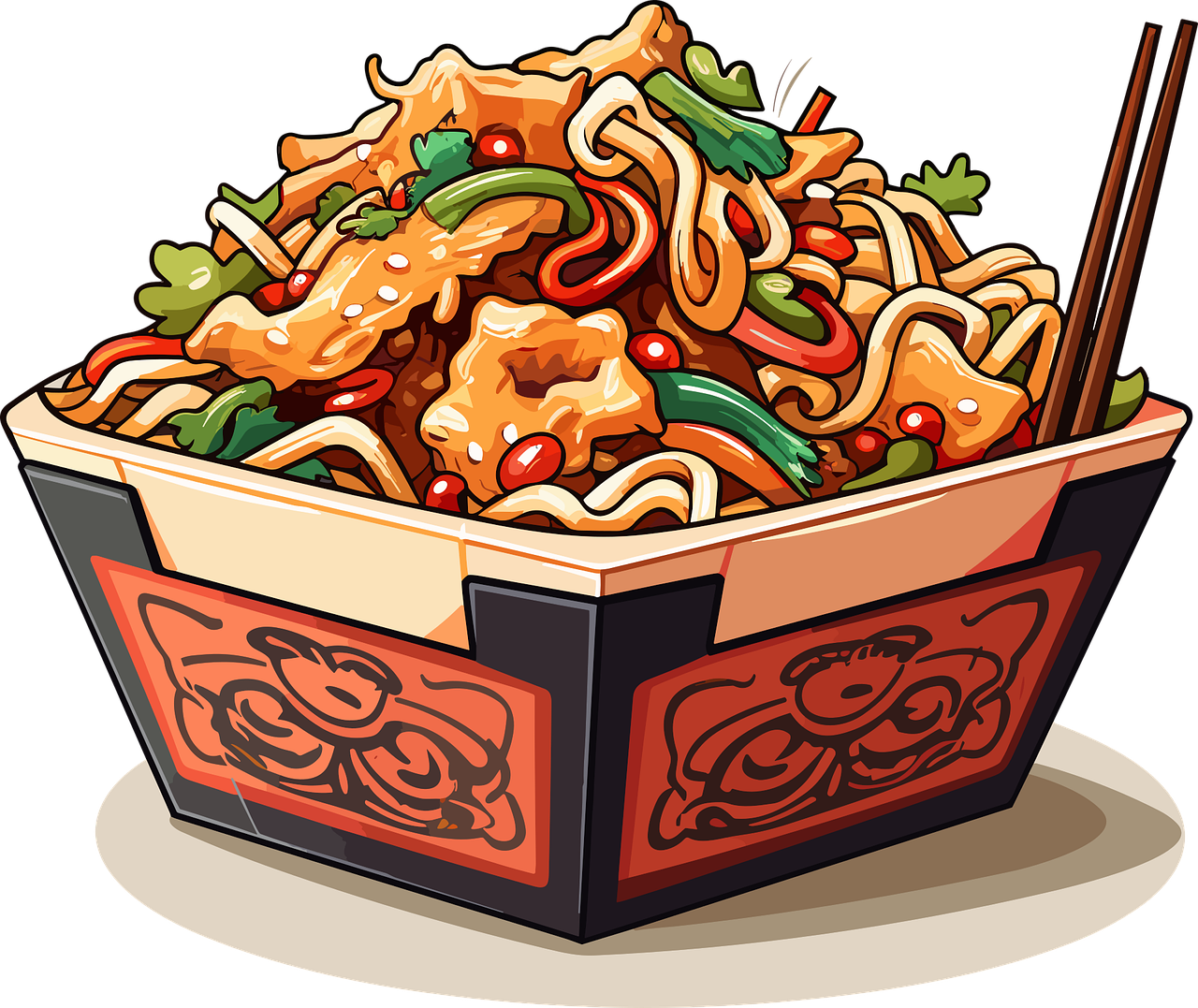





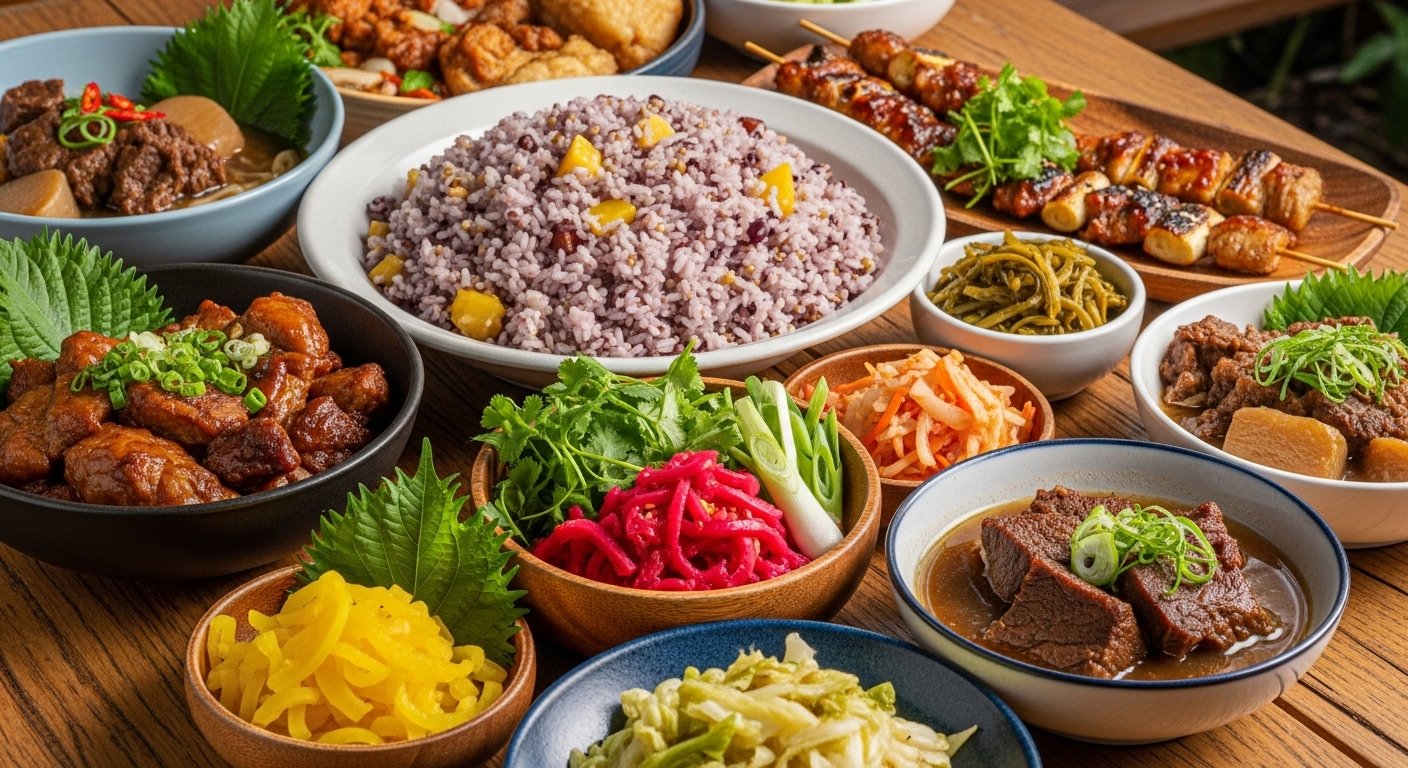
Have you ever wondered how a single Japanese term could open the door to an entire world of bold, balanced flavors? That term is soutaipasu, and it is quickly becoming the go-to name for a vibrant fusion cuisine that marries Japanese precision with Taiwanese boldness and Filipino warmth. What began as a technical concept has evolved into a delicious movement that feels both ancient and brand new.
If you love experimenting in the kitchen or chasing the next nutrient-packed trend, soutaipasu delivers on every level. It celebrates harmony in every bite while staying practical for home cooks. In this guide you will discover its roots, the ingredients that power it, simple ways to cook it yourself, and tips that turn good meals into unforgettable ones.
What Is Soutaipasu and Its Meaning in Japanese Culture?
Soutaipasu draws directly from the Japanese idea of a “relative path.” In everyday language it points to finding balance by understanding how one element relates to another. Chefs borrowed that idea and applied it to the plate. Instead of strict rules, soutaipasu asks you to taste how ingredients connect, adjust seasoning until everything sings together, and serve food that brings people closer.
You might think of it as mindful cooking with heart. Japanese tradition supplies the clean lines and fresh presentation. Taiwanese seasoning adds fiery, aromatic punches. Filipino communal dining turns the table into a shared celebration. The result is not confusion but beautiful balance. One bite might taste bright and tangy, the next deep and savory, yet the whole dish feels complete.
This relative-path philosophy also explains why soutaipasu adapts so well to modern life. You do not need rare tools or years of training. You simply pay attention to how each flavor relates to the next and let your palate guide you.
The Cultural Tapestry Behind Soutaipasu
Picture a bustling night market in Taipei, a quiet izakaya in Tokyo, and a lively Filipino fiesta all happening on the same plate. That is the spirit of soutaipasu.
Japanese culinary traditions contribute knife skills, dashi broths, and respect for seasonal produce. Taiwanese seasoning brings fermented black beans, five-spice powder, and generous heat that wakes up the senses. Filipino communal dining supplies vinegar-based marinades, garlic, and the joyful habit of piling platters high so everyone reaches in together.
The magic happens when these paths cross. A slow-simmered Japanese-style stew might gain brightness from Filipino calamansi and extra depth from Taiwanese soy paste. The dish stays rooted in each culture yet creates something new. Home cooks everywhere are discovering that this cross-cultural approach makes everyday meals feel special without extra effort.
Essential Ingredients and the Umami Flavor Profile
At the heart of soutaipasu lies a powerful umami flavor profile built from everyday Asian superfoods. You will reach for these again and again:
- Fermented elements: Miso, soy sauce, and pickled vegetables deliver that savory backbone.
- Fresh aromatics: Ginger, garlic, scallions, and Thai basil add brightness and layers.
- Protein stars: Tofu, fatty fish, pork shoulder, or chicken thighs absorb flavors beautifully during slow cooking.
- Bright accents: Calamansi or yuzu for citrus pop, plus fresh herbs that keep each bite lively.
These ingredients work together because they respect the relative-path idea. The saltiness of fermented items balances the sweetness of coconut or pineapple. The heat from chilies meets the cooling effect of fresh cucumber or daikon. Every component has a partner, so nothing overwhelms.
Health Benefits of Soutaipasu Ingredients
Beyond great taste, soutaipasu shines as a nutrient-dense choice. Fermentation techniques naturally boost probiotics that support gut health and immunity. Slow-cooking methods preserve vitamins while breaking down tough fibers, making meals easier to digest.
Many core ingredients rank as true Asian superfoods. Seaweed and mushrooms supply minerals and antioxidants. Leafy greens and root vegetables bring fiber and anti-inflammatory compounds. Because the style emphasizes balance, portions naturally stay satisfying without excess.
People who cook soutaipasu regularly often notice steadier energy and fewer cravings. The combination of protein, healthy fats, and complex carbs keeps blood sugar stable. Plus the vibrant colors on the plate encourage you to eat the rainbow, packing in phytonutrients with every meal.
How to Cook Soutaipasu at Home: Beginner-Friendly Recipes and Techniques
Ready to bring soutaipasu into your kitchen? Start simple. The signature Harmony Bowl takes about 45 minutes and serves four.
Step 1: Build the base. Cook short-grain rice the Japanese way so grains stay fluffy yet slightly sticky.
Step 2: Prepare the protein. Marinate chicken thighs or tofu in a mix of Filipino-style vinegar, garlic, and Taiwanese five-spice. Let it sit 20 minutes while you chop vegetables.
Step 3: Slow-cook or stir-fry. For deeper flavor, simmer the protein gently in dashi broth with a spoonful of miso. If time is short, use high-heat stir-fry techniques: hot pan, quick toss, and constant movement to lock in juices.
Step 4: Add the bright finish. Top with quick-pickled daikon, fresh herbs, and a squeeze of calamansi. Drizzle with a simple sauce that blends soy, sesame oil, and a touch of chili crisp.
The beauty is in the tweaks. Taste as you go. Too salty? Add a splash of citrus. Too mild? Grate in extra ginger. That back-and-forth is exactly what the relative-path concept celebrates.
For a weekend project, try Soutaipasu Adobo Stew. Brown pork shoulder, then simmer it low and slow with bay leaves, black pepper, and a blend of Japanese sake and Taiwanese rice wine. The long cook turns the meat meltingly tender while the broth becomes rich and complex.
Traditional Methods: Fermentation, Slow-Cooking, and Stir-Fry Techniques
Fermentation sits at the core. Make a small batch of house pickles by submerging cucumber and carrot in a light brine with garlic and chili. Three days later you have tangy, probiotic-rich toppings that elevate any bowl.
Slow-cooking methods shine in one-pot dishes. Use a Dutch oven or rice cooker on the warm setting to coax maximum flavor from tough cuts and root vegetables. The gentle heat prevents bitterness and lets spices bloom.
Stir-fry techniques keep vegetables crisp and proteins juicy. Preheat your wok or large skillet until it smokes lightly, then add oil and aromatics in quick succession. Keep everything moving so each piece cooks evenly. These methods respect the ingredients and save time on busy weeknights.
Where to Find the Best Soutaipasu: Restaurants in Tokyo and Beyond
Tokyo leads the scene with spots like Harmony Path in Shibuya and Relative Table in Shinjuku. Both offer tasting menus that walk you through the cultural journey plate by plate. Expect elegant plating, warm service, and dishes that change with the seasons.
Outside Japan, look for forward-thinking Asian-fusion restaurants in major cities. Many now list soutaipasu-inspired bowls on their specials board. Ask your server to explain how the chef balanced the three traditions. You will learn something new and probably leave with recipe ideas.
Common Mistakes to Avoid When Making Soutaipasu
Newcomers sometimes overload the dish with too many strong flavors at once. Remember the relative-path rule: start with a few core ingredients and layer thoughtfully.
Another pitfall is skipping the taste-as-you-go step. Japanese precision demands balance, not guesswork. Grab a spoon early and adjust.
Finally, do not rush the communal part. Soutaipasu tastes best when shared. Plate everything family-style and watch conversation flow as easily as the flavors.
3 Key Takeaways and Your Next Steps
Soutaipasu proves that great food comes from connection rather than complication. It honors Japanese culinary traditions, Taiwanese seasoning, and Filipino communal dining while staying practical for modern kitchens. Most of all, it invites you to experiment and enjoy the journey.
Next steps to try today:
- Pick one recipe above and gather the ingredients this weekend.
- Invite friends or family to share the meal so the communal spirit comes alive.
- Keep a small notebook by your stove to jot flavor combinations you love.
What is one change you will make in your kitchen this week? Maybe it is adding a splash of vinegar or trying a new fermented topping. Whatever you choose, soutaipasu will reward your curiosity with every delicious bite.
FAQs
What does soutaipasu mean?
It comes from the Japanese term for “relative path” and describes a balanced approach to blending flavors so every ingredient relates perfectly to the others.
Is soutaipasu a traditional Japanese dish?
No. It is a modern culinary movement inspired by Japanese concepts but enriched by Taiwanese and Filipino influences.
Can beginners really cook soutaipasu at home?
Absolutely. Start with the Harmony Bowl recipe. The steps are straightforward and the method forgives small adjustments.
What are the main health benefits?
Fermented ingredients support gut health, slow-cooking preserves nutrients, and the balanced plate delivers steady energy plus plenty of vitamins from Asian superfoods.
How does soutaipasu differ from other fusion cuisines?
It focuses on harmony through the relative-path philosophy rather than simply mixing styles. Every element must complement the rest for true balance.
Do I need special equipment?
A good knife, a wok or large skillet, and a pot for slow cooking are plenty. Most home kitchens already have everything required.
Where can I find more traditional soutaipasu recipes for beginners?
Search online for “soutaipasu stir-fry techniques” or check modern Asian cookbooks that explore cross-cultural ideas. Many food blogs now share step-by-step versions.